Knee & Shoulder Arthroscopy
Arthroscopy lets us look inside a joint and repair it through incisions a few millimetres across, rather than opening the joint fully. Most patients go home the same day.
How arthroscopy works
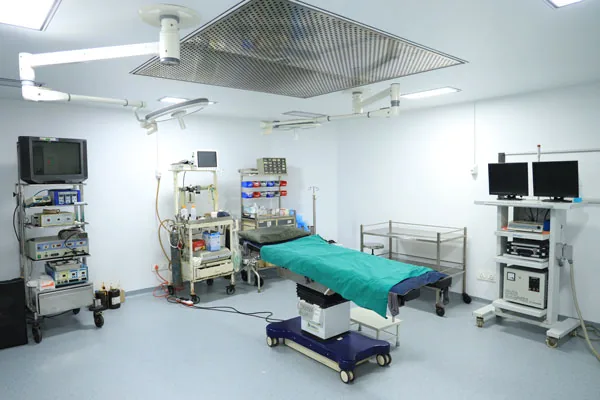
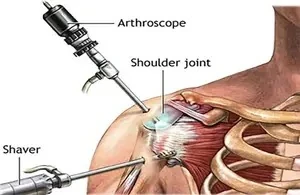
The surgeon makes a few small incisions around the joint. Sterile saline gently expands the joint to give a clear view inside. The arthroscope goes through one incision and sends a magnified image to a screen; fine instruments pass through the others to carry out the repair.
At the end of the procedure the saline is drained and the small incisions are closed.
Anaesthesia may be local (numbing the joint only), regional (numbing from the waist down), or general. Which is right for you depends on the procedure and your general health, and is discussed beforehand.
Knee arthroscopy
What it can diagnose and treat
Arthroscopy is used both to find the cause of knee pain and to treat it in the same sitting. Common reasons include:
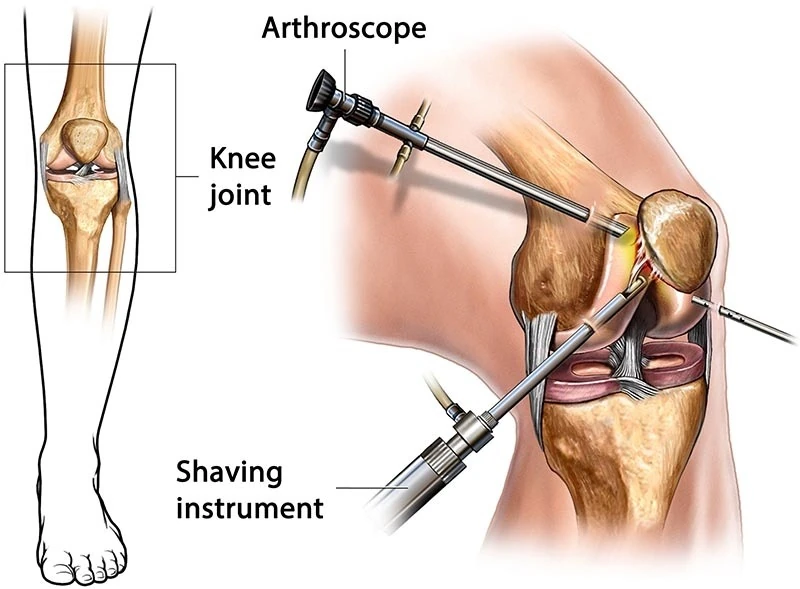
- Torn meniscus – the cartilage cushion between the bones of the knee
- Torn anterior or posterior cruciate ligament (ACL / PCL)
- A kneecap that is not tracking correctly
- Loose fragments of cartilage floating in the joint
- Baker’s cyst
- Some fractures involving the knee
- Inflamed joint lining (synovitis)
Educational animation
Understanding ACL reconstruction
Watch this 30-second animation to see how a torn knee ligament is replaced with a tissue graft, and how that graft is secured inside the joint.
- 30 seconds
- No sound
Patient education
ACL reconstruction
30-second animation
Want to know more about ACL treatment?
Read how keyhole knee surgery is done here, or come and be assessed by the surgeon who would do it.
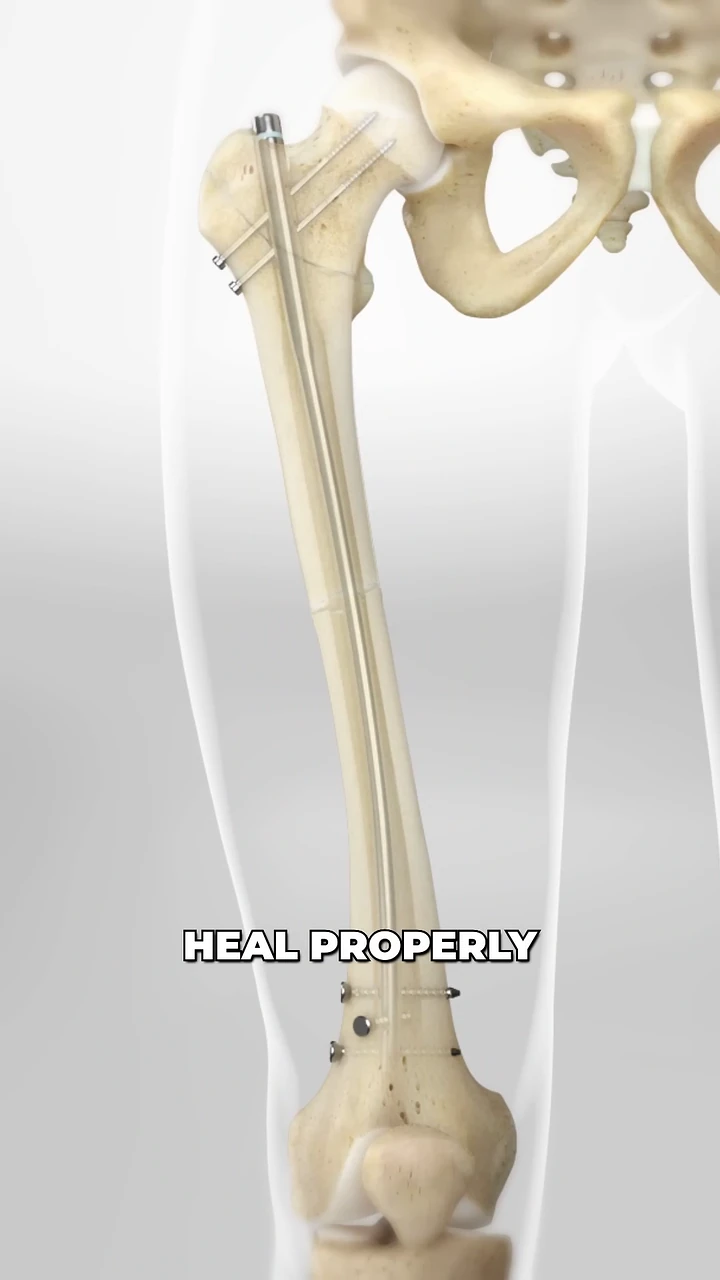
This animation explains a treatment. Your doctor will advise what is suitable for you.
Recovery
Knee arthroscopy is not a major operation. Most procedures take under an hour and most patients go home the same day.
Ligament reconstruction is the exception. Rebuilding a torn ACL, as shown in the animation above, is still keyhole surgery, but the graft has to heal into the bone and the recovery is measured in months rather than days, with a staged rehabilitation programme. Your surgeon will set out that timeline before the operation.
For the first day or two, keep the leg elevated and use an ice pack to control swelling. Arrange for someone to be with you on the first day. You will be shown how and when to change the dressing, and seen for follow-up within a few days.
Physiotherapy matters more than patients expect. A structured exercise programme restores the full range of movement and rebuilds the muscle that protects the joint. Patients who complete their rehabilitation reliably do better than those who stop once the pain settles.
Part two
Shoulder arthroscopy
The shoulder is the most mobile joint in the body, which is also what makes it prone to instability and to tendon problems. Arthroscopy allows these to be treated without opening the joint.
Common reasons include
- Rotator cuff tears
- Recurrent shoulder dislocation and instability
- Impingement, where tendons are pinched during overhead movement
- Frozen shoulder that has not responded to physiotherapy and injections
- Labral tears
- Removal of loose bodies within the joint
Recovery and what to expect
Recovery depends on what was repaired. A simple debridement allows early movement; a rotator cuff repair needs the tendon protected in a sling while it heals to bone, followed by a staged physiotherapy programme. We set out the timeline for your specific repair before surgery.
Preparing for arthroscopy
Tell us about every medicine you take, including over-the-counter painkillers and supplements. Your surgical and anaesthetic teams will tell you which medicines to continue or change, and when. Do not stop them on your own.
Follow the fasting instructions given by your anaesthetic team. Ask exactly when to stop eating and drinking before your procedure. If a pain medication is prescribed for afterwards, collect it in advance so it is at home waiting for you.
Risks
Arthroscopy is a low-risk procedure, but no surgery is risk-free. General surgical risks include bleeding, infection at the incision sites, and reactions to anaesthesia.
Risks specific to joint arthroscopy include bleeding within the joint, a blood clot in the leg, infection inside the joint, stiffness, and injury to cartilage, ligaments, blood vessels or nerves around the joint.
These are uncommon. We will discuss the risks that apply to your particular procedure, honestly, before you consent.
Questions patients ask
Frequently asked questions
Answers to what patients ask most about knee arthroscopy, from preparing for it to getting back on your feet.
Will I be admitted overnight?
Usually not. Most arthroscopies are day-care procedures – you come in, have the surgery and go home the same day. Where a more extensive repair is done, or where your general health makes it wiser, we will keep you overnight and tell you in advance.
How soon can I walk after knee arthroscopy?
Most patients walk the same day, often with a stick or crutches for the first few days. How soon you return to full activity depends on what was repaired inside the joint.
Will I have a large scar?
No. The incisions are a few millimetres each, and there are usually two or three of them. That is the main advantage of arthroscopy over open surgery.
Is arthroscopy the same as knee replacement?
No, and they treat different problems. Arthroscopy repairs damage inside a joint that is otherwise sound. Joint replacement resurfaces a joint whose cartilage is worn away. Arthroscopy does not cure established arthritis.
Can I watch the procedure?
Where the surgery is done under local or regional anaesthesia and you would like to, yes – the arthroscope image is on a screen in theatre. Ask beforehand.
Come and be assessed
Bring any MRI films or scan reports you already have. They often decide whether arthroscopy is the right operation at all.