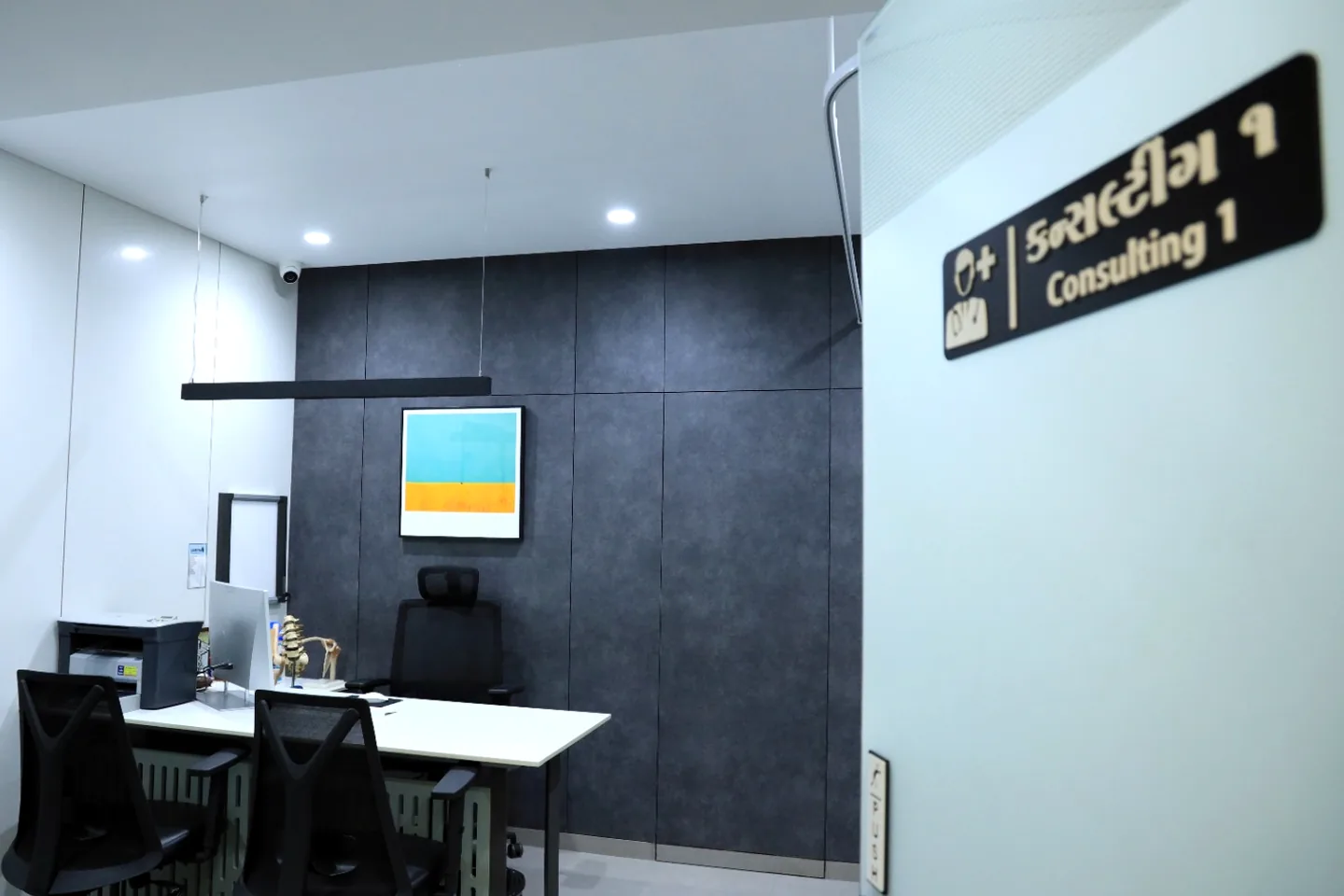
Preparing for knee replacement surgery
The operation is our job. The preparation is largely yours, and it makes a real difference to how the first fortnight goes.
Before the day
You will be seen in clinic before surgery for a full assessment – medical history, examination of the knee, blood tests and X-rays. Bring a written list of every medicine you take, including the ones you buy without a prescription and any supplements. Some, blood thinners in particular, have to be managed carefully in the days before an operation.
Tell us about any infection anywhere in your body, however minor – a dental abscess, a urine infection, an infected toenail. Surgery is safest when there is no infection elsewhere to travel to a new joint.
Getting the house ready
This is the part patients skip, and the part they later wish they had done. You will be walking, but slowly and with support, for the first few weeks.
- Move what you use daily to waist height, so you are not reaching up or bending down.
- Clear the routes you will walk – loose mats, trailing wires and low furniture are what people trip on.
- Sort out the bathroom. A raised seat and something firm to hold make the first weeks far easier.
- Set up a chair with arms and a firm seat. Low, soft sofas are difficult to get out of after knee surgery.
- If your bedroom is upstairs, plan for the stairs or make up a bed downstairs for the first week or two.
- Cook and freeze a few meals.
Arrange your help
Someone should be with you for at least the first few days at home. Sort out who is driving you home from hospital, who is doing the shopping, and who is around if you need a hand at night.
What to bring
- Your medicines, in their own packaging
- Any previous X-rays, scans and reports
- Insurance policy details and photo ID – start the cashless paperwork early
- Loose, comfortable clothes and flat, well-fitting shoes with a back to them
The day itself
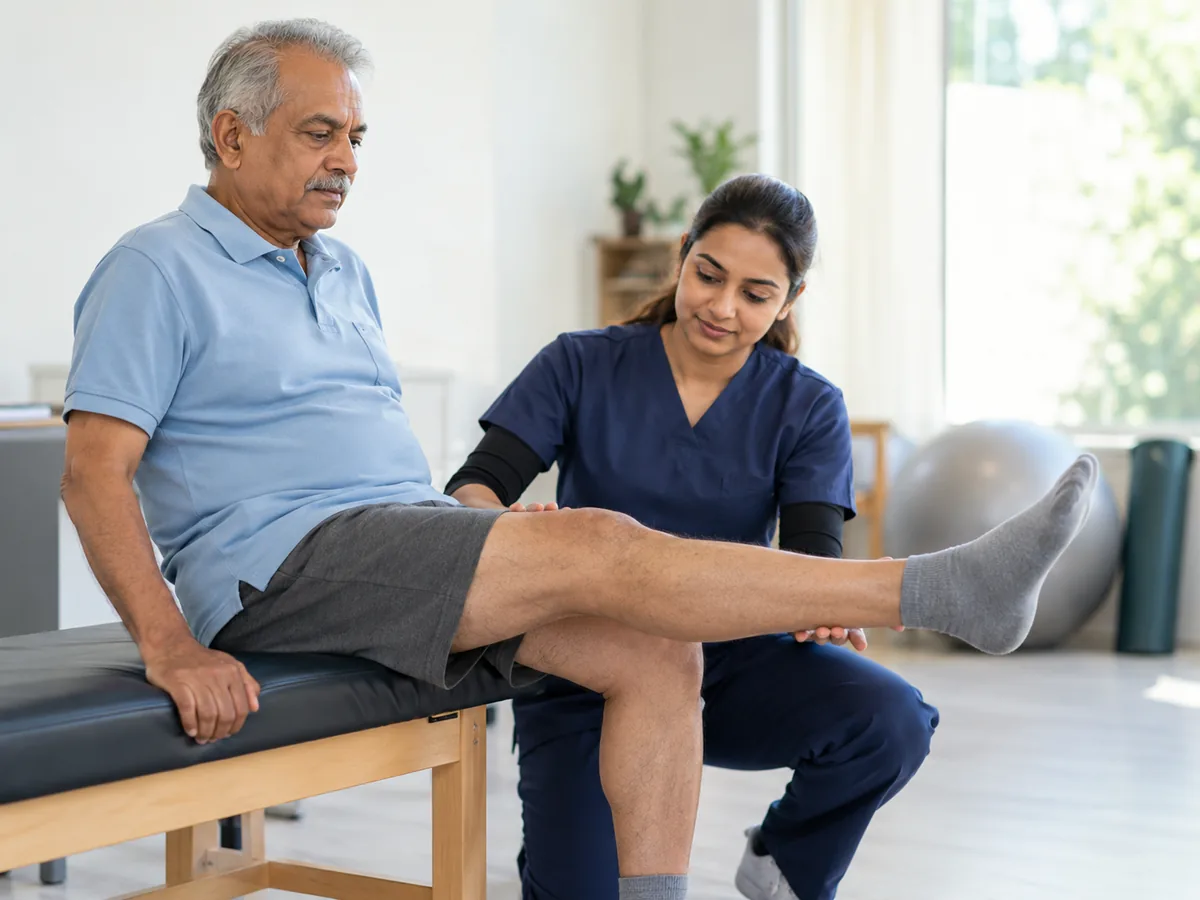
You will be asked not to eat or drink for several hours beforehand – we will tell you exactly when to stop. A total knee replacement takes about an hour in theatre. Most patients are helped onto their feet the following day and begin stair training around day four, working with our physiotherapists throughout.
The single most useful thing you can do
Strengthen the leg before the operation. A knee that goes into surgery with better muscle around it comes out of it recovering faster. Ask for exercises at your pre-operative appointment and actually do them – it is the one piece of preparation that changes the outcome rather than just the convenience.
Read next
Knee and hip replacement at this hospital – how the surgery is done, and what recovery looks like day by day.
Ask your questions in clinic
Bring the list. Patients who understand what is going to happen recover more confidently than those who do not.